Plumbing Leads: Own Your Pipeline Instead of Renting It
Every plumber gets the same pitch: buy leads, we’ll send you homeowners. Some of those leads are real. The problem is the model: you’re renting demand that came from someone else’s rankings, sharing it with three competitors, and starting a speed race with every purchase.
Where Do Plumbing Leads Actually Come From?
Four sources, with very different economics:
Shared platforms
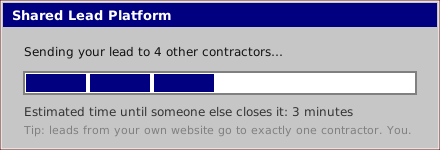
(Angi, Thumbtack, HomeAdvisor and similar): fast, zero setup, but shared. Multiple plumbers pay for the same homeowner, and the first to call usually wins the race everyone paid to enter. The full breakdown of why that model never improves is in the problems with shared contractor leads.
Google Ads for plumbers:
Exclusive leads from your own campaigns. You control the service areas, the services, and the budget; the caller picked you off the results page.
Local Service Ads:
Pay-per-lead with the Google Guaranteed badge at the very top of search. Exclusive, prequalified, and disputeable when a lead is junk.
SEO:
The owned asset. Your site ranks, your phone rings, and no invoice is attached to any single call. Slowest to build, cheapest at scale.
What Does Plumbing Lead Generation Math Look Like?
Run the numbers on cost per booked job, not cost per lead. A $60 shared lead that closes 1-in-5 is a $300 job acquisition, before the race-to-the-phone losses. An exclusive ad lead at $90 closing 1-in-2 is $180. An organic call from a page that ranks for years keeps cutting its own cost every month.
That curve is why the strongest plumbing companies sequence it: platforms or ads for volume now, plumbing SEO compounding underneath, and follow-up automation making sure nothing purchased goes to voicemail. 88% of local mobile searchers visit or call within a day. The leads exist; the question is whose phone they reach.
How Do You Stop Losing the Leads You Already Get?
Speed. Half of customers hire whoever responds first, and plumbing’s emergency skew makes that brutal: a missed call at 7am is a competitor’s job by 7:20. Automated outreach (instant text-back on missed calls, quote follow-up sequences, review requests after the job) recovers leads you already paid for in effort or dollars.
What’s the Right Lead Strategy for Your Shop?
Depends on truck count, service area, and how much of your board is empty. A one-truck shop needs LSA and a tight service area before anything else. A ten-truck operation needs SEO carrying volume and ads filling seasonal gaps. The full picture (every channel, sequenced) is in our plumbing marketing overview. For low-cost ways to add calls beyond bought leads, see our plumbing advertising ideas.
Tell us your market and monthly job target and we’ll map the fastest path to it: request a free lead-flow audit.
Frequently Asked Questions
How much do plumbing leads cost?
Shared platform leads typically run $30–$150 each, sold to multiple plumbers, so your real cost per booked job is several times that. Exclusive leads from your own ads usually land in a similar per-lead range but convert better because the caller chose you. Organic leads from SEO cost the program fee spread across every call it produces, which falls every month rankings improve.
What is the fastest source of plumbing leads?
Google Ads and Local Service Ads: both can ring your phone within days of launch. Use them for immediate volume, then let SEO take over share of your lead flow as rankings build, which drops your blended cost per job.
Are shared lead platforms worth it for plumbers?
They can fill gaps, especially for a new company. The trap is dependence: shared leads race four plumbers to one homeowner, prices rise, and you own nothing when you stop paying. Treat platforms as a bridge, not a strategy.
How do I generate exclusive plumbing leads?
Three owned channels: rank your own site (SEO), run your own ads to your own landing pages (PPC), and carry the Google Guaranteed badge (LSA). Every lead from those channels calls you alone: no race, no resale.
Why do plumbing leads go cold so fast?
Because 50% of consumers hire the contractor who responds first, and plumbing problems can't wait. Speed-to-lead systems (instant callbacks, text follow-up, missed-call automation) routinely recover jobs that slow responders lose.